
How Science for Toddlers Builds Problem-Solving Skills
Nestled in Statesboro, GA, learning comes alive at Kidovations Educational Experience, where curiosity leads the way. With our focus on science for toddlers, each day becomes a hands-on journey of asking, exploring, and discovering how the world works, one small experiment at a time.
Introduction
When little hands mix colors, build towers, or ask “Why?” a new kind of learning begins, one rooted in exploration, problem-solving, and imagination. These simple moments of discovery lay the groundwork for critical thinking, creativity, and lifelong curiosity. Curious minds grow here. In this blog, you will discover how science for toddlers can build confidence and inspire a lifelong love for learning.
The Power of Science in Early Learning

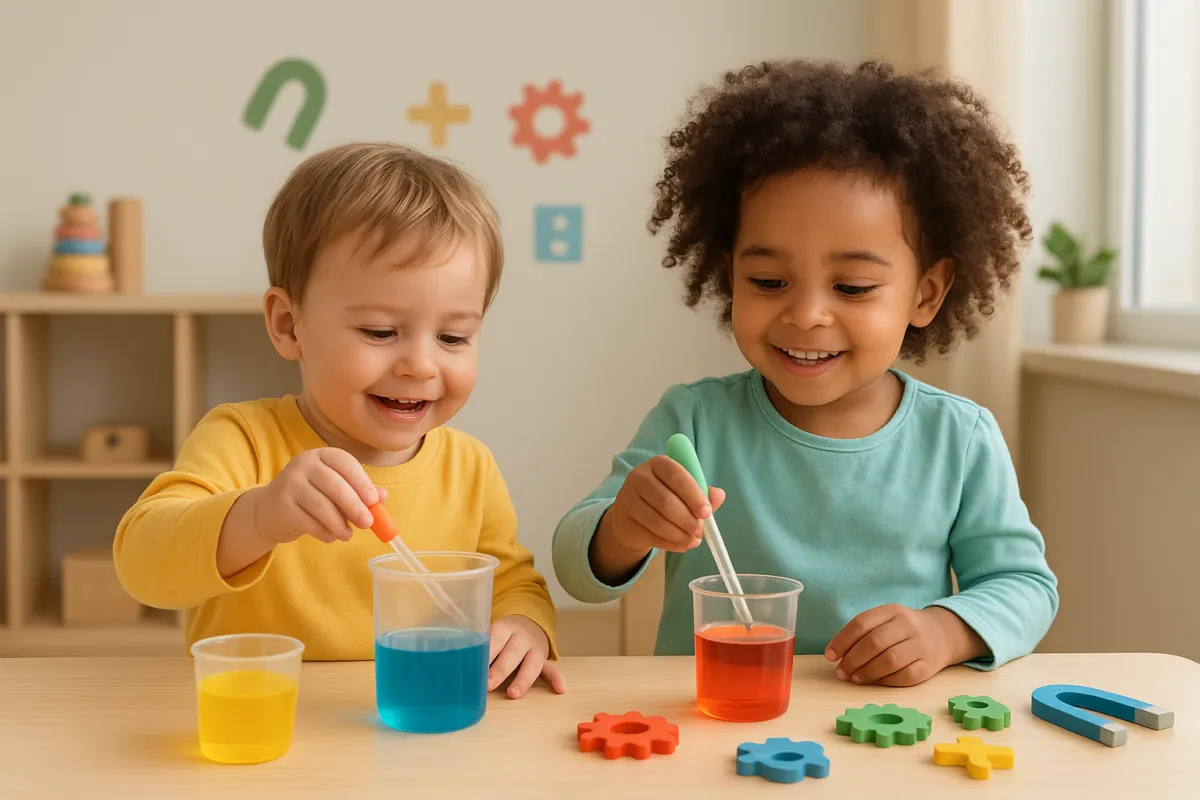
When you think of little Einstein, you might picture colorful liquids bubbling or blocks tumbling during playful experiments. But beneath the laughter and mess lies something remarkable, the foundation for logical reasoning and problem-solving skills that last a lifetime.
Science helps toddlers question the world around them: Why does this ball roll faster? What happens when we mix blue and yellow? These small questions ignite a love of learning. Early exposure to science, technology, engineering, and math introduces children to patterns, cause and effect, and reasoning, the core of intelligent, confident thinking.
Toddlers who explore scientific play develop flexible minds. They learn that mistakes are part of discovery and that every experiment, whether it succeeds or fails, brings them closer to understanding. That mindset of persistence and curiosity becomes the spark for future innovation.
Why Science for Toddlers Matters More Than Ever
The toddler years are the golden window for developing curiosity and imagination. Children at this stage absorb information faster than ever before. Engaging them in science for toddlers activities channels that natural wonder into meaningful learning experiences.
Unlike passive learning, scientific play encourages active participation. A toddler mixing water and sand is doing more than playing; they’re observing, hypothesizing, and testing their own mini theories. These early moments develop memory, attention span, creativity, and the confidence to explore new ideas.
By introducing technology in early learning, educators and parents can make this process even more interactive. Simple digital tools, like puzzle apps or coding toys, help toddlers see patterns and predict outcomes, strengthening their ability to connect actions with results. Science and technology together create a balanced environment that nurtures both logic and imagination.
How Early Science Encourages Problem-Solving Skills
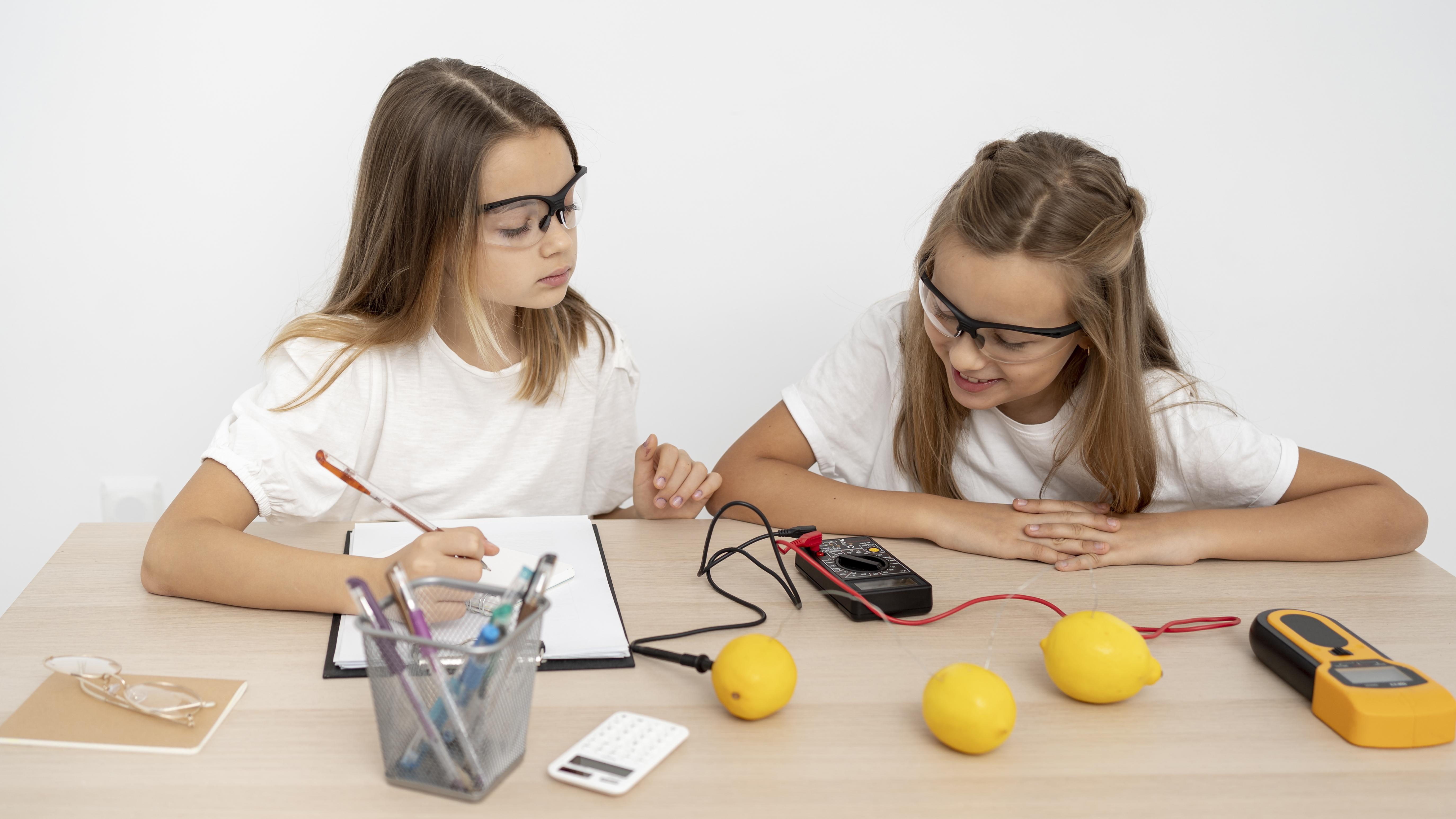
Science is, at its heart, the art of solving problems. Every small experiment a toddler performs, stacking, sorting, or mixing, teaches them how to observe, test, and adapt.
1. Observation and Inquiry
Before solving a problem, a child must recognize it. Science encourages toddlers to observe changes and ask why things happen. For instance, watching how shadows move during the day introduces them to patterns and natural curiosity. Observation builds awareness and lays the foundation for critical thinking.
2. Hypothesis and Prediction
Even at age two or three, toddlers start making simple predictions. When they guess whether a heavier ball will roll faster or if two colors will mix into green, they’re building logical reasoning. This early form of hypothesis-testing teaches them how to think analytically.
3. Experimentation and Testing
Hands-on experiments give toddlers freedom to test their predictions. Pouring, stacking, or mixing teaches them cause and effect. Every action produces a reaction, reinforcing early problem-solving skills through experience.
4. Reflection and Adaptation
When things don’t go as planned, toddlers learn resilience. They adjust, rebuild, and try again, a powerful lesson in adaptability. This process transforms frustration into learning and builds emotional intelligence alongside cognitive growth.
Through these stages, science for toddlers becomes more than just fun; it becomes a structured path toward building problem-solvers.
The Role of Technology in Early Learning
In today’s digital world, technology is more than entertainment; it’s a learning companion when used wisely. Technology in early learning helps toddlers visualize abstract ideas, like motion or sequencing, in ways that are interactive and engaging.
Tech Tools That Encourage Exploration
Interactive Story Apps: These let children make choices and see outcomes, teaching cause and effect in a fun, story-based format.
Coding Toys: Programmable caterpillars, light-up robots, or sequencing games introduce logic, planning, and step-by-step thinking.
Digital Drawing Tools: Simple art programs strengthen fine motor skills and creativity.
Used thoughtfully, technology doesn’t replace play; it enhances it. It helps toddlers understand relationships between ideas and actions, fostering critical thinking and confidence in their discoveries.
Engineering Activities for Early Learners
Engineering might sound advanced for toddlers, but in truth, they engage with engineering every day, stacking blocks, balancing toys, or testing what floats. These engineering activities nurture fine motor skills, coordination, and logical reasoning.
Try these at home or in class:
Block Towers: Let toddlers build the tallest tower possible. When it falls, ask, “How can we make it stronger?” This teaches experimentation and resilience.
Bridge Building: Use cardboard or popsicle sticks to create bridges. Have them test which one can hold more toys, introducing balance and structure.
Ramp Races: Use household items to create ramps. Let children explore how slope affects speed and distance.
Each of these playful projects connects engineering activities with early math concepts, counting, measuring, and comparing in a way that feels natural and exciting.

Introducing Math Concepts Through Science
Math and science naturally blend in a toddler’s world. When children count, compare, or measure during play, they are unconsciously engaging with early math concepts.
Through science play, toddlers:
Measure and Estimate: Pouring water between cups teaches volume and comparison.
Sort and Classify: Grouping objects by color or size develops categorization and logic.
Count and Sequence: Counting blocks or steps during experiments builds numerical awareness.
These experiences make numbers come alive. Rather than memorizing digits, toddlers experience math through hands-on discovery, turning science for toddlers into a dynamic foundation for logical reasoning.
The Importance of Hands-On Experiments
Nothing beats learning through touch, sight, and sound. Hands-on experiments transform everyday objects into learning tools and turn curiosity into comprehension.
Here are a few easy, safe experiments parents and teachers can try:
Sink or Float: Test which items sink or float in water. Ask, “Why do you think this one floats?”
Color Mixing: Combine red, yellow, and blue water to explore color theory.
Magnet Hunt: Use magnets to test what materials attract.
These activities build early critical thinking and encourage pattern recognition. They also engage multiple senses, helping toddlers learn through experience and reflection.
Through hands-on experiments, children gain independence by discovering answers rather than being told what to think. This self-driven learning is key to long-term intellectual growth.
Nurturing Critical Thinking from a Young Age
Critical thinking isn’t memorizing answers; it’s understanding how to find them. Science for toddlers naturally builds this ability by encouraging questions, comparisons, and predictions.
When parents or teachers ask open-ended questions like:
“What do you think will happen next?”
“Why do you think that happened?”
“How can we make it work differently?”
…toddlers learn to connect experiences with logic. These simple conversations create the building blocks for future problem-solving.
By combining curiosity, creativity, and structure, science nurtures independence. It shows toddlers that learning is an adventure, and every discovery, big or small, matters.
Tips for Parents and Educators
Practical ways to nurture science for toddlers every day:
Create a Curiosity Corner: Keep magnifying glasses, safe measuring cups, and nature objects ready for exploration.
Encourage “What If” Moments: Turn bath time, cooking, or gardening into mini experiments.
Praise Effort Over Outcome: Celebrate exploration more than perfection.
Use Technology Wisely: Let digital tools support, not replace, real-world discovery.
Model Wonder: When adults show excitement for learning, children naturally mirror it.
Small, consistent exposure to discovery builds not only knowledge but also emotional intelligence, creativity, and problem-solving skills.
Why Choose Kidovations Educational Experience
At Kidovations Educational Experience in Statesboro, GA, we believe that every question, every “what if,” and every experiment is the start of something wonderful. Our approach to science for toddlers blends structured exploration with creative freedom, ensuring children learn through both wonder and understanding.
With thoughtfully designed spaces and dedicated educators, we integrate technology in early learning, engineering activities, and hands-on experiments to inspire confidence and a love for discovery.
Here, learning isn’t limited by walls; it’s powered by imagination, guided by curiosity, and nurtured with care.
Science Builds the Foundation for Future Innovators
Every small experiment a toddler performs, from mixing colors to stacking blocks, strengthens their ability to think, question, and solve. Through science for toddlers, children don’t just learn facts; they learn how to learn.
By weaving together hands-on experiments, technology in early learning, and playful engineering activities, parents and teachers shape young minds that thrive on discovery. The lessons toddlers learn through science today will guide their creativity, logic, and resilience for years to come. Encourage curiosity. Celebrate discovery. And watch your little scientist grow one question at a time.
Ready to nurture your child’s natural curiosity? Schedule a visit to Kidovations Educational Experience in Statesboro, GA, and watch the spark of discovery turn into a lifelong love for learning.
Frequently Asked Questions:
1. Why is science important for toddlers?
Science helps toddlers explore the world through observation and discovery, building early critical thinking and problem-solving skills.
2. What are simple science activities for toddlers?
Try hands-on experiments like color mixing, sink-or-float tests, or building towers to teach science and math concepts through play.
3. How can technology support early learning?
Technology in early learning tools, like coding toys and story apps, enhances reasoning and creativity when paired with real-world play.


